menu

Endura Upholstery FR 360gsm

New Endura Upholstery FR 360gsm

Durable, high performance and flame retardant upholstery fabric.

Endura Upholstery FR is a high performance fabric suitable for upholstery. It features a microporous polymer coating to offer superb stain resistance. The CRIB5 fire retardant rating makes it suitable for commercial contract use.

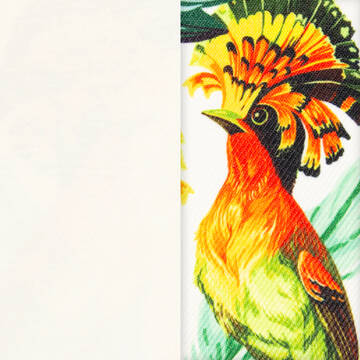
The fabric is white and features a heavy twill weave. It has an acrylic backing that makes it easy to handle and stable.

Endura Upholstery FR has a Martindale rating of 50,000 making it suitable for hardwearing applications. The combination of dye sublimation printing, fire retardancy and stain resistance makes this fabric the perfect choice for high performance upholstery applications.

Specification

Type
Woven
Ink
Dye Sublimation
Weight
360gsm
Width
140cm
Composition
100% Polyester, Acrylic Backing
Properties
Fire Retardant
Origin
Printed in the United Kingdom
Certification
OEKO-TEX Eco Passport Certified Ink (NEP 1902) info
Care
Can be routinely cleaned using a sponge with warm water and mild soap solution to remove general soiling. Fresh water-based and oil-based stains can be treated using most water-based household cleaning agents. For best results, use a wipe-and-dry method, ensuring the surface is thoroughly dried after cleaning. Do not fully immerse the material in water. Do not dry clean.

Standards

Standard Information Certificate
UK Upholstery Fire Safety
BS 5852:2006

Crib 5

BS 5852:2006.PDF
UK Upholstery Fire Safety
BS 5852:2006

Pass

BS 5852:2006.PDF 93291
Martindale Abrasion Test
EN 14465:2003

50,000 Severe Contract Pass

EN 14465:2003.pdf
UK Fire Safety - Cigarette Test
EN 1021-1:2014

Pass

EN 1021-1:2014.pdf
UK Fire Safety - Match Test
EN 1021-2:2014

Pass

EN 1021-2:2014.pdf
Toys: EN71:3: Migration of certain elements
EN 71-3:2019 [1]

Pass

EN 71-3:2019.pdf LEI26022454A
[1] Expired standards - this standard has been withdrawn and is potentially replaced by a newer standard.

Representative samples have been independently tested against commercial standards by a UKAS accredited lab. Learn more Please note care instructions are provided for guidance only and recommend testing to ensure the fabric is suitable for your intended use.

Prices

Size Quantity Price Saving
Swatch 3 for 2 £2.99 -
Fat Quarter 3 for 2 £18.99 -
Linear Metres 1m £34.99 -
5 - 10m £33.24 5.0%
10 - 40m £32.37 7.5%
40m+ £31.49 10.0%
  • No setup charges
  • Prices inclusive of VAT (where applicable)
  • Swatches and fat quarters are not eligible for bulk discounts.
  • Bulk discounts are based on the cumulative total per fabric. For example, you can order 10m with 10 designs, or 10m of the same design. The bulk discount is automatically applied during checkout.

Usage and Safety Instructions

Outdoor Furniture

As well as the standards that apply to all other furniture, outdoor furniture should be resistant to the elements.

The following standards may apply to outdoor furniture:

Standard Description
BS 5852:2006 Methods of test for assessment of the ignitability of upholstered seating by smouldering and flaming ignition sources
EN 581-1:2017 Outdoor furniture - Seating and tables for camping, domestic and contract use - Part 1: General safety requirements
EN 581-2:2015/AC:2016 Outdoor furniture - Seating and tables for camping, domestic and contract use - Part 2: Mechanical safety requirements and test methods for seating
EN 581-3:2017 Outdoor furniture - Seating and tables for camping, domestic and contract use - Part 3: Mechanical safety requirements for tables
EN 1021-1:2014 Furniture - Assessment of the ignitability of upholstered furniture - Part 1: Ignition source smouldering cigarette
EN 1021-2:2014 Furniture - Assessment of the ignitability of upholstered furniture - Part 2: Ignition source match flame equivalent
EN 12520:2024 Furniture - Safety, strength and durability - Requirements for domestic seating

In general, corners and edges should be rounded, chamfered or otherwise protected to avoid physical injury.

Instructions should be included for the safe erection and operation of furniture, and furniture should not contain pinch points that could harm the user during regular use.

Seating should be able to withstand a 110kg person sitting on them with all other standards remaining compliant.

Proportions should be sufficiently ergonomic as to be comfortable for the average person.

Any fabric used in the manufacture of outdoor furniture should not impede these requirements in any way, and should provide appropriate levels of fire safety in accordance with other furniture safety standards.

More Details

EN 581-1 defines general safety requirements for seating, and includes the following stipulations:

For seating, the edges and corners of the seat, back rest and arm rests which are directly in contact with the user when sitting, lying or reclining shall be rounded or chamfered.

For table tops the edges and corners which are directly in contact with the user shall be rounded or chamfered.

All other edges and corners of seating and tables, accessible during use shall be free from burrs or/and sharp edges

There shall be no accessible holes in the ends of tubular components with a diameter between 7 mm and 12 mm with a depth more than or equal to 10 mm.

There shall be no shear or squeeze points, ie distances between 7 and 18 mm, between the moving parts other than those generated by folding furniture while being positioned for use.

There shall be no shear or squeeze points between parts of the furniture operated by mechanisms such as mechanical springs or gas lifts.

There must be no shear or squeeze points produced by the user's weight during normal movements and actions, e.g. attempting to move the seating by lifting the seat or adjusting the backrest.

The bottom of tubular legs shall be capped or plugged.

EN 581-2 defines the resistance and durability requirements for seating in 3 levels of use, from lowest to highest:

  • Camping
  • Domestic
  • Non-domestic

for outdoor furniture, with 3 levels of requirements, and includes outdoor sun loungers, seats, sofas and any other seating.

EN 581-3 is mostly concerned with tables, and so the relation to fabric is minimal - however, if you are incorporating our fabric into a table, you should make sure you adhere to those standards.

EN 1730 defines the test procedures for outdoor seating in line with EN 581-2 and EN 581-3.

Upholstery

If you're making upholstery using our fabric, then you need to make it safely.

The primary concern is fire resistance. There are many standards that apply to upholstery:

Standard Description
BS 5852:2006 Methods of test for assessment of the ignitability of upholstered seating by smouldering and flaming ignition sources
EN 1021-1:2014 Furniture - Assessment of the ignitability of upholstered furniture - Part 1: Ignition source smouldering cigarette
EN 1021-2:2014 Furniture - Assessment of the ignitability of upholstered furniture - Part 2: Ignition source match flame equivalent
EN 14465:2003 Textiles - Upholstery fabrics - Specification and methods of test
IMO FTP Code 2010 Part 8 Upholstered Furniture Fire Test

And please note this list is not exhaustive - every country has its own regulations and some may be stricter or more relaxed than shown here.

Also, the requirements largely depend on where your item will be used. Furnishings destined for home use have much more relaxed requirements than those intended for use in a school or hospital, for example.

You should make sure that this fabric meets your specific requirements for fire safety when making your end product, whether it is for sale or not.

You can use our FR standards as a guideline, but it is important that you understand the different standards and to which situations they are applicable.

If in doubt, contact FIRA for advice in the UK about fire safety for furniture.

You must also make sure your furniture is mechanically sound. Make sure there are no pinch points or likely points of failure, as this could cause serious injury.

Disclaimer

Please note this information is inteded for guidance only. You should check appropriate standards yourself to make sure your product conforms to all the necessary safety standards for your particular use case.